
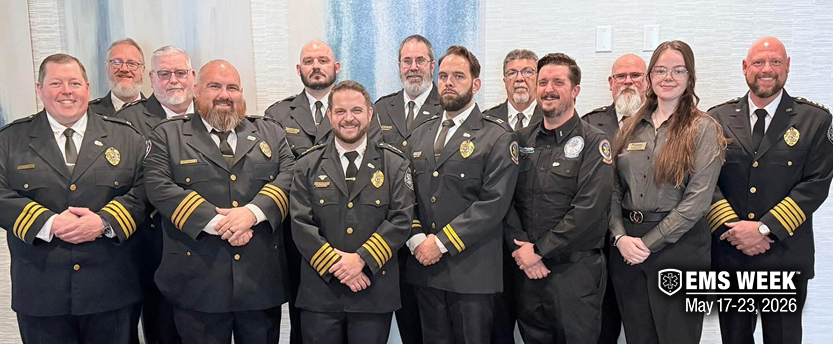
At First Priority Mobile Healthcare in Cayce, South Carolina, leaders are not waiting for external solutions. They are building a different model from the inside out, one focused on clinical excellence, culture, resiliency, leadership development, and long-term career sustainability.
“We realized if you are not taking care of the mental well-being of your people, you are doing both them and your service a disservice,” said Zak Evans, Director of EMS at First Priority. “Taking care of your own is probably the simplest idea, but the hardest one to make happen, and it is long overdue.”
That philosophy now shapes everything from mental health and leadership development to education, mentorship, and workforce sustainability. What sets First Priority apart is not a single program or initiative, but a broader cultural shift where supporting Clinicians is not separate from operational success but is essential to it.
Moving Beyond “Sink or Swim”
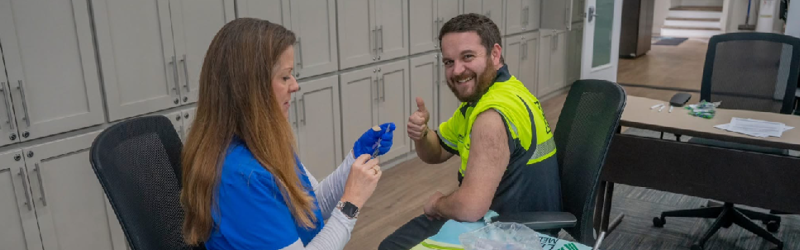
For decades, EMS culture often revolved around toughness and endurance. New Clinicians were expected to adapt quickly, absorb traumatic experiences quietly, and survive in high-stress environments with limited structured support.
Leaders at First Priority recognized that model was no longer sustainable. “We used to do the sink or swim mentality,” said Jonathan Vilord, a Nationally Registered Paramedic and the Wellness and Resilience Officer with a background in EMS and social work. “We could either keep looking for the few people who could swim, or we could actually teach people how to swim.”
That urgency deepened after the organization experienced a tragic loss, the death of a colleague by suicide. “It changed the way we viewed our responsibility as leaders,” Evans said. “We realized supporting our people had to become part of the foundation of the organization, not an afterthought.”
From that point forward, wellness became structural, not supplemental, with a focus on creating an environment where Clinicians could ask for help without fear of judgment or professional consequence.
Building a Different Kind of Support System
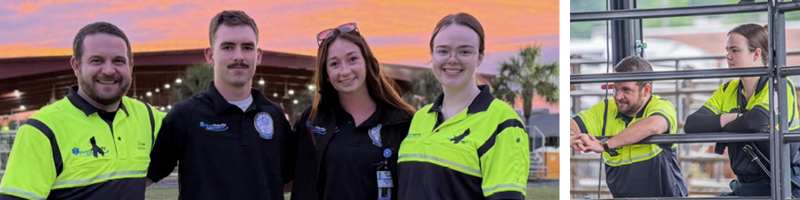
One of the organization’s most significant innovations was creating a full-time, non-disciplinary wellness and resilience officer role, still uncommon in EMS. Vilord was preparing to leave EMS for clinical social work when leadership asked him to help design an internal support system centered on peer connection and behavioral health.
Traditional supervisory roles often struggle to balance accountability with emotional support, and outside providers may not fully understand EMS culture. First Priority built a model grounded in peer experience. “We look at everything through the lens of how it impacts our people first, and what it means for the profession long term,” Vilord said. “Some of our best innovations come from trying to make things better for our employees, and sometimes we stumble into them.”
Since launching, the program has completed more than 100 wellness contacts, expanded peer support across neighboring agencies, supported crews after critical incidents, and participated in statewide resiliency initiatives.
Confidentiality has been central to its success. “That changed everything,” Evans said. “People no longer feel like speaking up means their job is at risk.”
Recognizing a Changing Workforce
Leaders also identified a generational shift shaping EMS culture. Many newer Clinicians entered adulthood during the COVID-19 pandemic, with fewer in-person opportunities to develop communication and conflict-resolution skills. Veteran providers came into a very different professional environment.“We realized we had this old saloon-door effect,” Evans said. “On one side, veteran providers saying, ‘This is how we have always done it.’ On the other, younger providers with very different expectations about work and life.”
Instead of lowering expectations, First Priority focused on communication, transparency, and mentorship. Conflicts are addressed directly through facilitated conversations, and leaders explain decisions openly to build understanding and trust.
The organization also built a multigenerational leadership structure. “Our youngest leader is 25, and our oldest is 70,” said Hannah Earhart, Deputy Director of EMS. “There is almost always someone employees can relate to, no matter where they are in life.” That range of perspective has strengthened trust and improved retention.
Creating Career Paths, Not Just Jobs
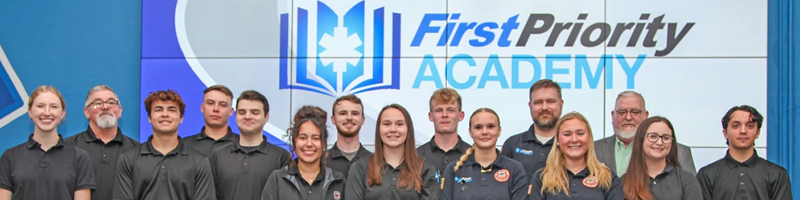
Nationally, retention remains one of EMS’s most persistent challenges, with many Clinicians leaving within a few years. First Priority is working to change that by investing in long-term career development.
Employees can enter as drivers or EMT students, receive paid training, advance through paramedic education, and move into specialty roles such as community paramedicine or critical care transport, often at little or no cost to the employee.
“We are willing to invest in people, including paying them to sit in the classroom and become EMTs,” said David Murphy, Director of Education and Compliance.
The organization has also trained community paramedics ahead of regulatory expansion in South Carolina, anticipating national shifts in EMS practice. “We are trying to make EMS a sustainable career,” Earhart said. “Not just a stepping stone.”
Murphy noted that the approach is intentional, even when the outcomes are long-term. “We are deeply committed to being a model for our profession. We are constantly networking and engaging with our EMS association, so we are not reinventing the wheel.”
Partnerships with technical colleges, EMT programs, and student mentorship initiatives further extend that pipeline.
“We do not always know where those investments will lead,” Murphy said. “But it always comes back.”
Developing the Next Generation of EMS Leaders
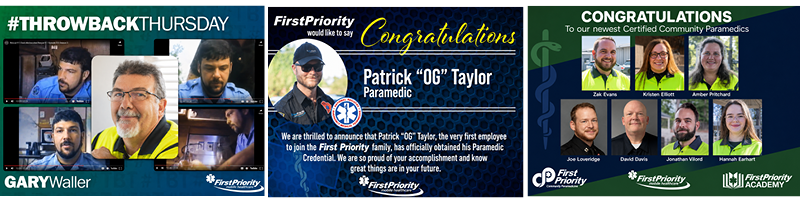
Leadership development is another core priority. Traditionally, EMS has promoted strong Clinicians into supervisory roles without formal leadership training. First Priority is changing that. “We are trying to grow leaders, not just managers,” said Earhart. “Managing chaos is different from leading people.”
William Tatum, Deputy Director of EMS, emphasized that leadership is a discipline, not a byproduct of experience. “We are not looking for people to simply manage situations,” Tatum said. “We are focused on developing leaders who can improve the entire experience.”
He added that leadership must be intentionally taught. “A big part of leadership development is identifying people early and giving them the tools and support to grow into those roles. Leadership is not just about field experience, it is about learning how to guide people, build culture, and develop others.”
First Priority now identifies emerging leaders early and provides structured development in communication, organizational strategy, professionalism, and cross-disciplinary learning.
Vilord noted the importance of broadening perspectives. “We have to stop thinking so narrowly about what leadership in EMS looks like,” he said.
A National Model for the Future of EMS
What is happening at First Priority reflects a broader shift emerging across EMS nationwide. As conversations around wellness, resiliency, workforce sustainability, and career longevity continue to grow, agencies are recognizing that the future of EMS depends on more than staffing or equipment.
It depends on culture and whether Clinicians feel supported. It depends on whether leaders are willing to evolve and invest in people before burnout drives them out of the profession.
For First Priority, the work is ongoing. “We know we still have a long way to go,” Evans said. “But every day we are trying to fix the challenges in front of us while also being proactive enough to keep those challenges from happening again.”
At a time when EMS agencies across the country are searching for sustainable solutions, First Priority Mobile Healthcare is demonstrating that innovation in EMS is not only about advanced medicine or new technology. Sometimes, the most important innovation is simply building a culture where people can thrive.
About the National Registry of Emergency Medical Technicians
Guided by our mission to support the EMS profession through partnerships, research, and lifelong assessment of clinical competence, the National Registry was established in 1970 as a non-profit organization and serves as the Nation’s Emergency Medical Services certification organization. It is accredited by the National Commission for Certifying Agencies (NCCA), the accreditation body of the Institute for Credentialing Excellence. The National Registry maintains NCCA accreditation for each of the four certification programs: Emergency Medical Responder (NREMR), Emergency Medical Technician (NREMT), Advanced Emergency Medical Technician (NRAEMT), and Paramedic (NRP). Credentialing protects the public, assures consumers that Clinicians have met standards of practice, advances the EMS profession, and establishes standards of professional knowledge, skills, and practice. Additional information is available at NREMT.org, and BlueSky, TikTok, Facebook, Instagram, LinkedIn, Reddit, and YouTube.
Media Contact:
Kelly Schroeder
Manager of Integrated Content & Communications
kschroeder@nremt.org